




Trade School Programs at TWS
Gain valuable skills for a sustainable career sooner than you think.

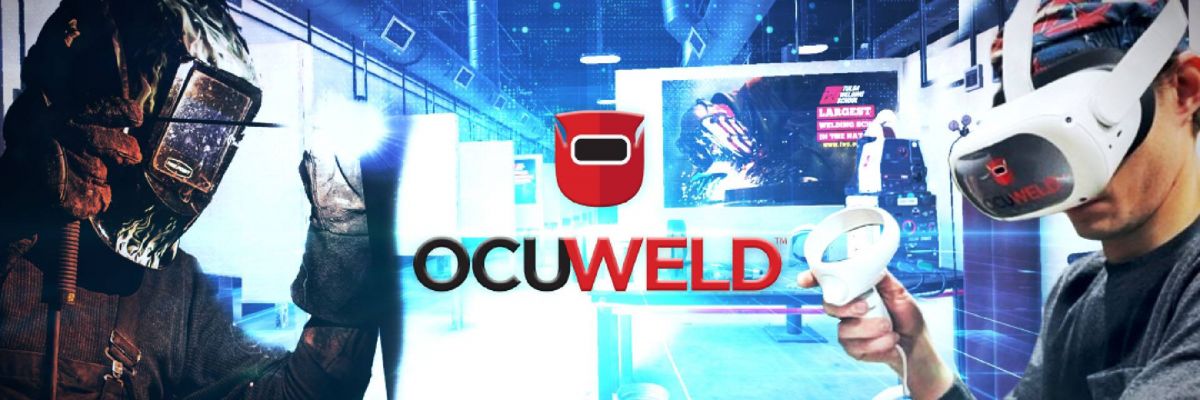
ALL New Welding Students Get an Oculus Quest 2 loaded with OcuWeld Training Software!
TWS is excited to launch OcuWeld utilizing Virtual Reality (VR) to enhance your welding training. OcuWeld is a new and innovative Virtual Reality (VR) welding simulator designed by expert welding instructors for our welding students.
You can access OcuWeld anytime, anywhere – with or without WIFI. It enables you to practice your welding skills as part of our program here at TWS and the Oculus Quest 2 is yours to keep!
Learn More
Select the Program That is Right For You
Our Admissions Representatives are standing by to talk to you about your life situation, personal interests and career goals. We’ll work with you to figure out which TWS training program is right for you. Click below to contact us today!
Opportunities at TWS
TWS instructors train you in the fundamentals you need to know for entry-level career opportunities in welding, HVAC, refrigeration, and electrical. Our instructors have years of real-world experience that they apply every day in teaching people like you who want to have skills and job security that can last a lifetime.

Scholarship Opportunities
Scholarship Opportunities
Learn more about what scholarship opportunities are available and how you might qualify for one. Start the process of applying for a scholarship today!
Learn More
Virtual Tour
Virtual Tour
Take a virtual tour of our campuses! Explore the classrooms, labs and shop floor with our unique interactive experience.
Learn More
Employee Partnerships
Employee Partnerships
TWS has partnerships with major employers across the United States and even internationally. Our dedicated Career Services team will be there to support you every step of the way after graduation.

The Right Tools for the Job
The Right Tools for the Job
When you begin your education at TWS, we provide you with an extensive gear package. You get the high quality professional tools you need to succeed. Ask your Admissions Representative for more information about the gear package for your program.
 Get Started